Hospitals
Medical gases, cold chain, backup power and security in one view.
Septem reads and records what the hospital's sensors, thermal and bi-spectral cameras and equipment report. It has no relation to patients.
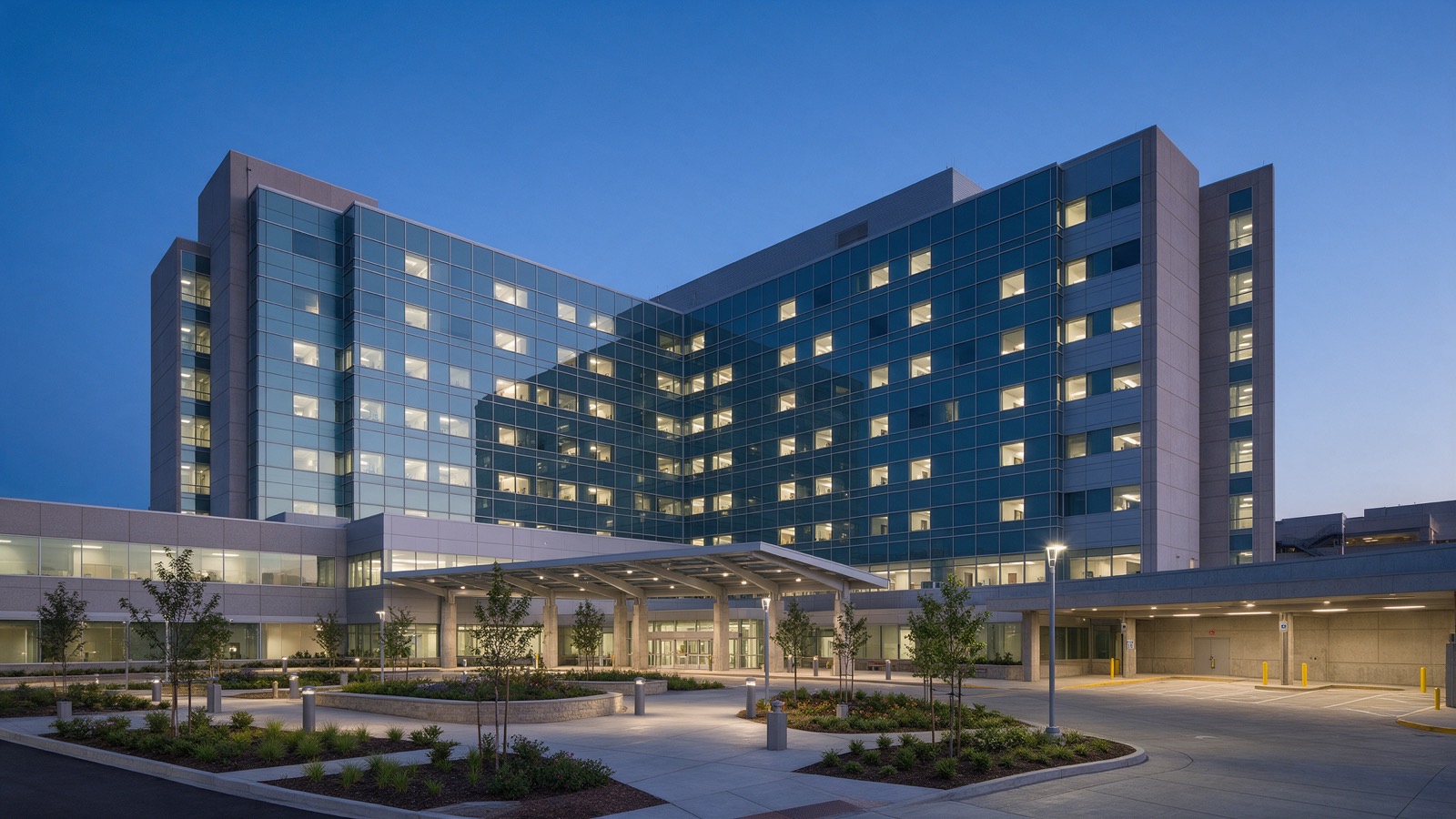
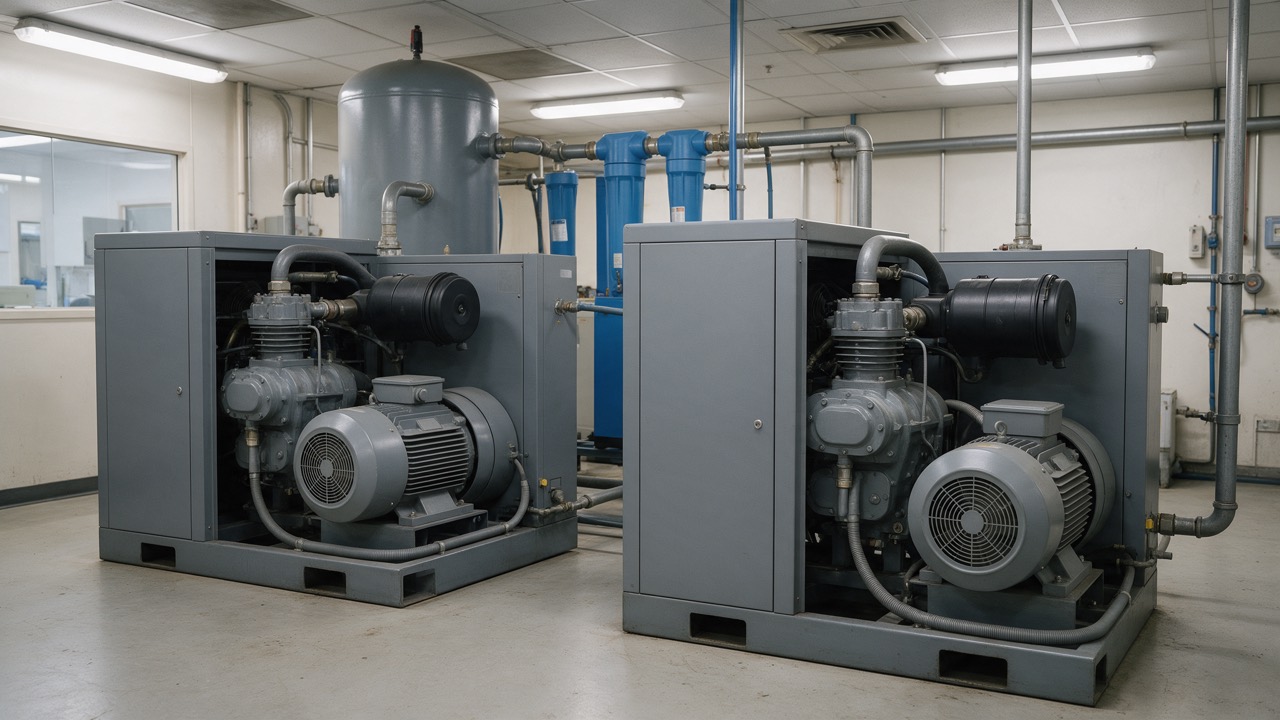
Gas plant · in action
The medical air compressor, measured by the thermal camera.
Each compressor point is measured against its template thresholds — discharge, bearing, motor — and opens the work order on the same equipment.
- 1 · Stage 1 discharge84.5 °CNormalWarning 90 · Crit 110
- 4 · Bearing73.2 °CWarningWarning 70 · Crit 90
- 6 · Drive motor61.8 °CNormalWarning 70 · Crit 85
Work order created on the same equipment
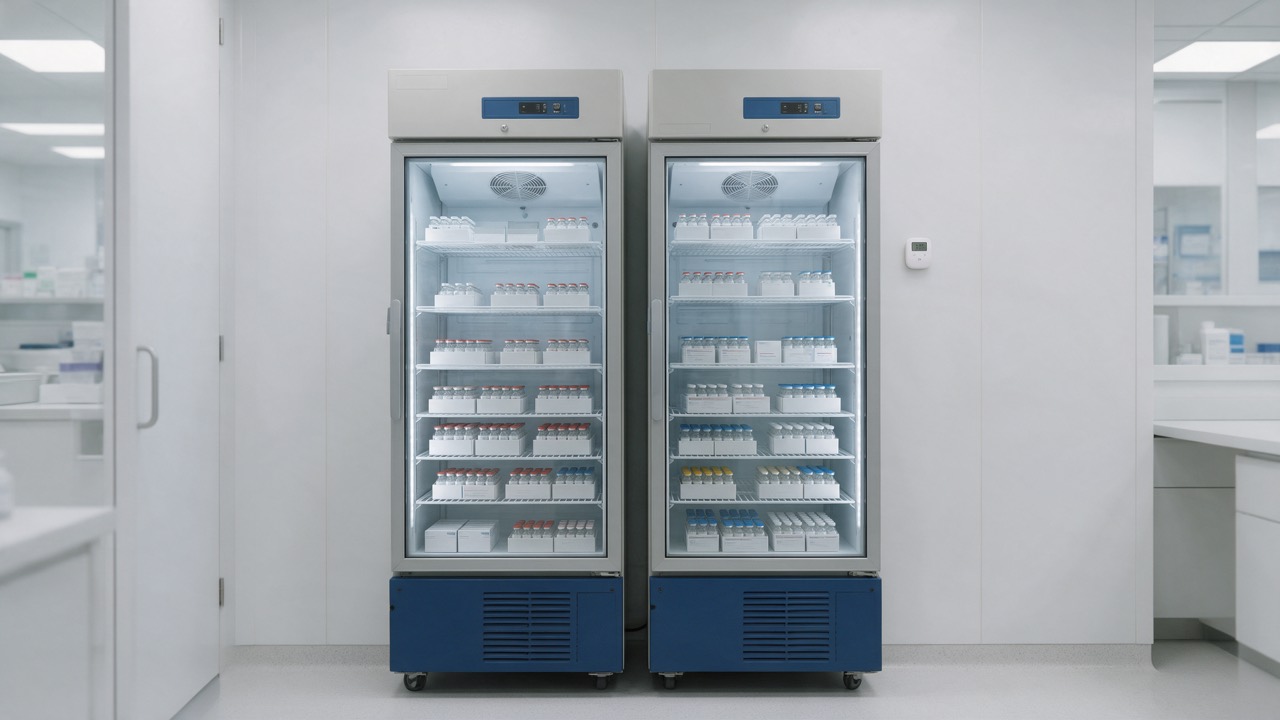
Cold chain · validated at your hospital
Every vaccine refrigerator, with its continuous log.
A LoRaWAN temperature sensor next to each refrigerator sends its reading to Septem, which keeps the history with every out-of-range excursion for audit. Reading and logging already exist in the platform; at a hospital they are validated with your sensors and your range.
Ready today
Works today in real installations.
- Gas plant and switchboard thermographyVaporisers, compressors and electrical connections, with thermal or bi-spectral cameras.
- Work ordersMaintenance with SLA per equipment.
- Equipment healthHealth index and service priority for compressors, pumps, air handlers and transformers.
- Video and accessEmergency, pharmacy, gas room and restricted areas.
- Panic buttonsWith their protocol.
Validated at your site
The code exists; we test it with your equipment before committing to it.
- Liquid oxygen tankLevel, pressure and days of autonomy.
- Cylinder manifolds and zone pressureBank in use, switch to reserve and slow pressure drops.
- Medical refrigerationVaccines, pharmacy, blood bank and lab with their range.
- Ultra-low freezersUltra-low temperature probe.
- Backup powerEmergency generator, transfer switch and UPS.
- Operating and isolation roomsTemperature, humidity and differential pressure.
- Oxygen in the airTank room, cylinders and MRI.
- Biohazard wasteContainer level and temporary storage.
- Controlled medicinesCabinet opening with its video.
Recommended hardware
What is enough, measured. What we have not measured, we say so.
Analytics run on the on-site server, at the plant. This table comes from dated measurements and the installer's rules; above what was measured, the equipment is sized by measuring at your site before committing to a number.
On-site server by camera count
| Cameras | Video | Analytics | Server | Status |
|---|---|---|---|---|
| 1 to 5 | 1080p · AI analyses the substream at 3 frames per second | Continuous recording + person and vehicle detection | 4 cores · 16 GB RAM · 100 GB for the system + the video disk | Measured: 2 cores were the limit for 5 cameras with AI |
| 1 to 5 | 4K without substream | Same | Enable the camera substream or add cores | Measured: with the 4K stream alone, 2 cores were not enough |
| 6 to 16 | 1080p | Detection, PPE and attribute search | SEPTEM Compact 16-AI: Intel N100/N150, 16 GB and an AI accelerator | Validated at your site |
| 17 or more | Any | Any | Sized with the test kit at your site | No published measurement |
Installer minimum: 8 GB RAM (it will not install with less) and 30 GB free. Recommended: 4 cores, 16 GB and 100 GB.
LoRaWAN sensors do not load the server like a camera: their readings are numbers, not video.
What each analytic costs
| Analytic | Model and input | Measured time per frame (CPU, no GPU) | Default rate |
|---|---|---|---|
| People and vehicles | Own detector · 640 × 640 | 385 to 465 ms, depending on hardware | 3 frames/s per camera, only when there is motion |
| Plate reading | Full frame 2560 × 1440 | 349 ms on 2 cores · 95.9 % exact plates over 121 frames | 6 frames/s on the plate camera |
| Attribute and text search | Visual fingerprint · 224 × 224 per crop | ≈ 490 ms per crop | Once per detected person or vehicle |
| PPE (hard hat and vest) | PPE detector · 640 × 640 | No published per-camera measurement | Every 8 s, up to 2 people per pass |
Disk per camera per day
| Resolution (H.265, 15 frames/s) | Continuous recording | Motion only |
|---|---|---|
| 1080p | ≈ 25 GB | ≈ 7 GB |
| 4 MP | ≈ 44 GB | ≈ 13 GB |
| 4K | ≈ 99 GB | ≈ 30 GB |
Estimate from the platform's storage planner (1100 kbps per megapixel in H.265). Measured in the lab: 14 cameras at 1080p H.264, 15 frames/s recorded 518 GB per day.
In both modes video, photos of people and analytics stay on the on-site server; the cloud computes nothing that depends on the number of cameras. In Hybrid Cloud the substream is uploaded only while someone is watching (0.5 to 2 Mbps per camera, a design value, not measured).
Recording and live video are never touched. With the CPU saturated, analytics drop to half the frames; if it continues, they pause; and after 5 minutes the console shows «insufficient hardware». Today on-site analytics run on CPU: there is no GPU acceleration, and the Compact's AI accelerator is validated at your site.
Illustrative footage generated for this page. The readings, thresholds, steps and status of each function are the ones the platform shows.
SEE. UNDERSTAND. ACT.
A demo with your cameras and your equipment, in your language. If we don't do something yet, we will tell you.