Multi-brand industrial platform
See, understand and act in time.
Septem Contrôle brings video, radiometric thermal imaging, gas detection, access control and industrial sensors into one platform. Vendor-neutral, processing at the edge, data in your plant.
Cameras from any manufacturer, thermal imaging, gas, access and sensors. It all arrives in one place, without one console per vendor.
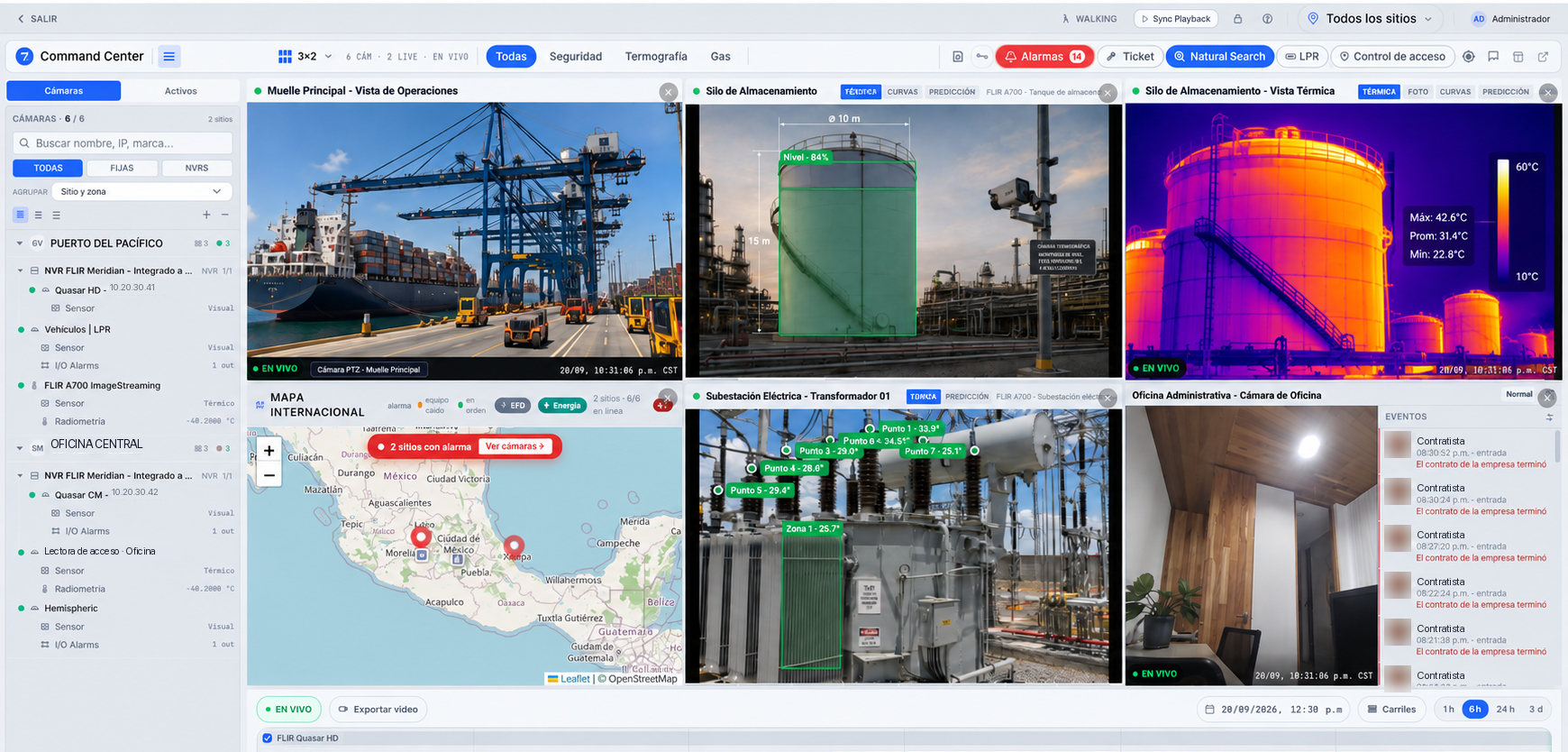
Predict
It doesn't tell you it broke. It tells you when it will.
A connection doesn't fail all at once: it heats up over weeks. The system keeps the series, reads the slope and works out how long until it crosses its standard. What you gain is the time between today and that date.
Example curve from a real case of an electrical connection degrading. The 90 °C threshold is NETA MTS 100.18 class 1 over a 40 °C ambient.
Where it is measured, and why there
Every asset has its own points.
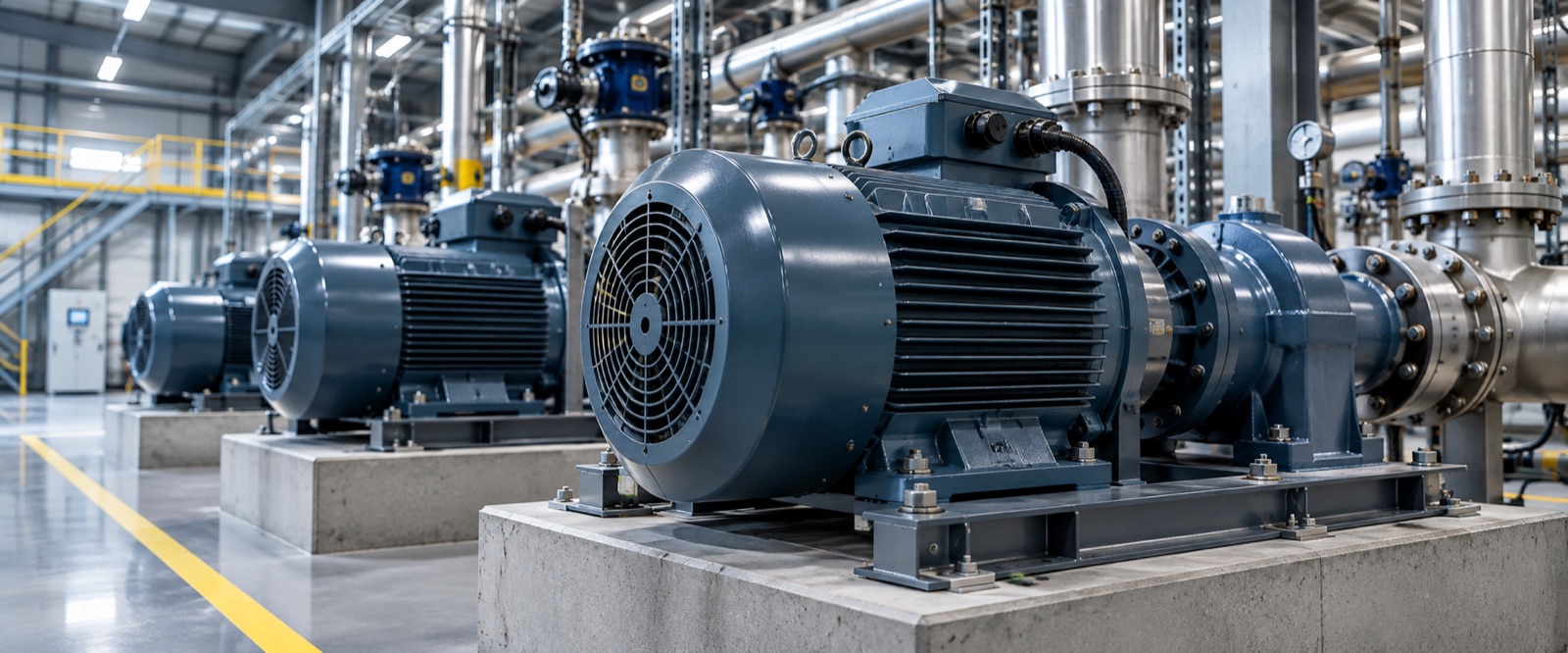
Induction motor
The drive-end bearing fails first, because it carries the coupling's radial load. The terminal box is measured separately: what works loose in there heats up without the motor ever vibrating.
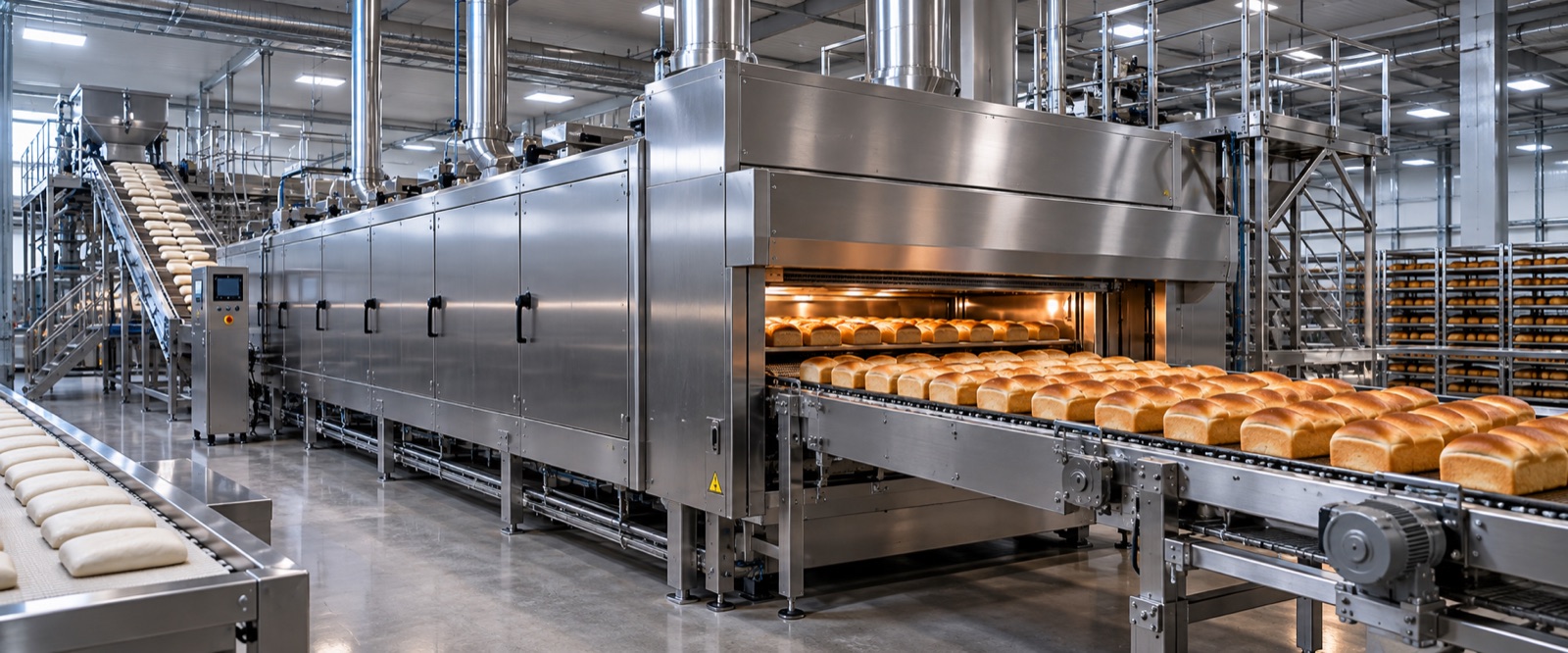
Tunnel oven · bakery
An oven doesn't have a temperature, it has a profile. Watching the average is watching nothing: what ruins a batch is ONE zone drifting, and that only shows zone by zone.
The problem
Every system sees a piece. Nobody sees the whole.
A plant has cameras from three manufacturers, an access system that does not talk to them, gas detectors on their own panel, sensors only maintenance looks at, and a thermal camera someone walks around with once a month. Each one is right on its own. The blind spot is in between.
The alarm sounds in one place, the video lives in another, and whoever decides has neither.
The platform
One layer on top of everything you already have
Septem Contrôle does not replace your equipment: it reads it. Cameras from any manufacturer over ONVIF and RTSP, thermal cameras that report degrees, gas detectors, access readers and industrial sensors come in through the same door and come out as one operation.
Genuinely vendor-neutral
A hardware abstraction layer with drivers certified by a functional conformance harness. Thirteen and counting.
Processing lives in your plant
Analytics run at the edge. If the link drops, it keeps recording, detecting and alarming.
Open by design
ONVIF, RTSP, MQTT, SNMP, Modbus and OPC-UA. No proprietary SDK tying you to one manufacturer.
See
What comes in
Five different sources, one place to look at them.
- 01
Video
Network discovery, guided onboarding and deduplication by MAC and serial number. H.265 and WebRTC; 360° fisheye dewarp.
- 02
Thermal imaging
Degrees are read from the hardware, never inferred by AI. One thermal camera measures N measurement points at once.
- 03
Gas
Concentration in ppm, flow in kg/h and CO₂e. Exposure limits with their source cited, and flagged as unverified when they have none.
- 04
Access
Doors, people, credentials, schedules and evacuation. Every event arrives with the video of the moment.
- 05
Sensors
Vibration, power, level and environment, over MQTT, SNMP, Modbus or OPC-UA.
Measure
Raw data becomes state
A number on its own is not a state. A motor at 78 °C can be perfectly fine or about to fail, and the difference is in its history, its load, and how much it has climbed this week.
Thermal Health Index
Four weighted sub-signals — absolute temperature, ΔT over the reference, trend and irregularity — produce a number from 0 to 100 and one of seven bands. The worst component governs: a single point below 50 pulls the whole down.
- Excellent90
- Good80
- Acceptable70
- Watch60
- Preventive50
- Critical40
- Severe0
IEC 60034 · NETA MTS 100.18 · ISO 18434-1 · NFPA 70B · ISO 20816
ΔT classes
Over the baseline, per NETA: class 1 above 35 °C, class 2 between 20 and 35, class 3 between 10 and 20.
Anomaly against its own history
A z-score against that specific point's past, not against a generic threshold that knows nothing about the installation.
Thermal level to real volume
Percentage of height is not percentage of volume. A horizontal cylinder is a circular segment, a sphere is 3f²−2f³. Litres, capacity and reorder point.
Act
The alarm goes looking for the person
It does not wait for someone to be watching the screen. It leaves with the site's protocol, the video of the moment, and the clock running.
Predicts
- 01
Predicts
Estimated time to critical condition, computed on the real slope. If two hours or less remain, severity escalates on its own.
- 02
Notifies
Finds whoever is on shift, through whichever channel they answer: the console, the phone or a message.
- 03
Guides
The protocol that appears is the one for that site, that role and that hazard level, with the standard behind it. Not a generic checklist.
- 04
Leaves a record
Before-and-after evidence, report and immutable certificate. The cycle closes when the sensor confirms the fix.
Septem Control
The whole operation, on one screen
The command center brings together sites, devices, assets and work orders. It is built so an operator understands the state of their plant in seconds, not to fill a grid with cards.
- Command center
- Video wall
- Site map
- Assets
- Alarms
- Work orders
- Forensics
- Reports
Interface recreated for this site. Product screenshots live in the resources section.
Architecture
What each layer decides, and what keeps working when it drops
Three planes with separate responsibilities. The question that matters is not where the software lives, but what stops working when the link is cut.
- 01
Devices
Cameras, thermal cameras, detectors, readers and sensors. From any manufacturer that speaks an open protocol.
If one drops, the rest carry on.
- 02
Edge
Recording, AI analytics and radiometric reading, inside the plant.
With no internet: it records, detects and alarms just the same.
- 03
Server
The platform: assets, alarms, protocols, work orders and reports.
The edge keeps recording and syncs on return.
- 04
Cloud
Multi-site, fleet and administration. Optional: the install can be 100% local.
The plant never notices.
Industries
Where it is running
Power and substations
Predictive thermal imaging on connections and transformers, with NETA's ΔT classes.
Oil and gas
Optical gas imaging, LDAR campaigns and emissions accounting.
Manufacturing
Motor and gearbox health, setpoint adherence in furnaces and boilers.
Mining
Wide perimeter with radar cueing the camera, and access control to working faces.
Logistics and ports
Plate reading, carrier registry, appointments and yard.
Critical infrastructure
Multi-site with per-organization isolation and a hash-chained log.
What it does, and what it does not yet
We would rather you test it than believe it
An industrial buyer tests exactly what you promised, in the first week. So here is what works today, what is in beta, and what is on the way — kept apart.
- Command center and wall
- Radiometric thermal imaging and HIT
- Gas detection
- Access control
- Plate reading
- Predictive and time-to-critical
- Work orders
- Attribute forensics
- Retail analytics
- Gas quantification · ingests from third parties only
- Autonomous gas quantification
- Exposure limits for ten countries
- Historian with OPC-UA and UNS
- Carbon accounting at scale
See, understand and act in time.
Tell us what you need to monitor and we will show you with your case, not with a canned demo.
Request a demo